Connect. Lead. Advocate.

Connecting you to care. Leading you to stability. Advocating for change.

OUR APPROACH

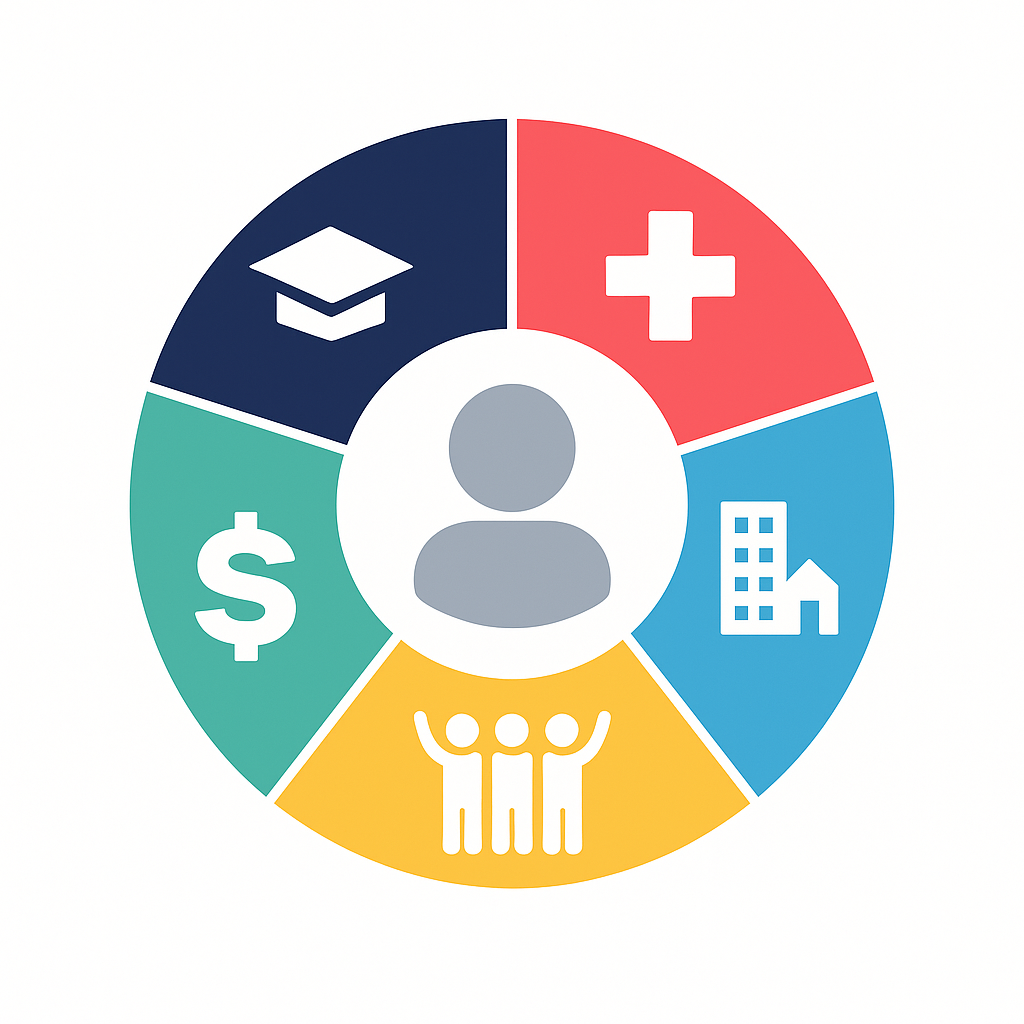
Social Determinants
of Health

When a service member, veteran, or family member reaches out for help, the first step is simple: submit a Request for Assistance. This form is an opportunity to share your needs or wants that will help you thrive. It allows us to assess key social determinants of health (SDoH)—the real-life factors that impact wellbeing every day.

This upstream approach helps us identify risks early on and connect people to the right support before crisis develops.

How We help

Coordinated Care Community

We believe suicide prevention starts upstream: by addressing housing, employment, healthcare, and other SDoH needs before they become overwhelming. 

After you submit your request, three things will happen: 

  1. We assess your SDoH needs and listen to your personal goals.
  2. Our care coordination team creates a customized plan of action. 
  3. We connect you to the right mix of services and follow through to make sure your needs are met.  

On average, we provide 2.5 services per household—because most needs don’t exist in isolation. As an example, addressing housing may also involve employment, transportation, or benefits navigation. 

Learn more about what support looks like—from helping a veteran find stable housing, to connecting a spouse with childcare, to ensuring access to healthcare and mental health resources. 

Our Commitment

Support From Start to Finish

Veterans Bridge Home is dedicated to supporting service members, veterans, and their families across the Carolinas. Our approach is rooted in evidence-based practice, military cultural competency, and lived experience—many of our staff are veterans themselves. 

Our work takes place in three key areas:

Community engagement

Building trusted relationships with veterans, families, service providers, and the VA through outreach and events.

Care coordination

Conducting in-dept assessments and connecting veterans to housing, education, benefits, and supportive services.

Employment navigation

Helping veterans and family members prepare for, connect to, and sustain meaningful employment.

When higher-risk factors emerge, our care navigation team (funding by the SSG Fox Suicide Prevention Grant Program) steps in. With specialized training in suicide prevention and mental health, these veteran navigators provide peer support, connect clients to VA and community services, and ensure that no door is the wrong door for help.

VBH Suicide Prevention Results

Early action. Real outcomes.

2,700

Over 2,700 veterans and families connected with or referred to VBH for upstream suicide prevention services.

1,000

1,000+ service members and veterans received whole health wellness screenings.

332

332 veterans eligible for VBH care navigation.

551

551 referrals made on behalf of at risk veterans. Average of 2.5 support services per veteran

83%

83% improved overall wellbeing from entry to graduation.

90%

90% reported high satisfaction with services received.

Our Mission in Action

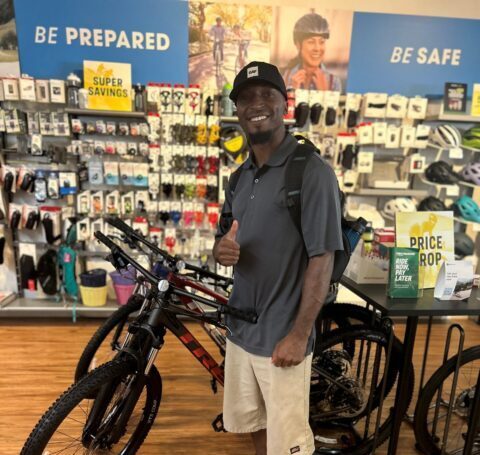
Bike 2

An unsheltered veteran working two jobs struggled with his commute until VBH helped him find new transportation.

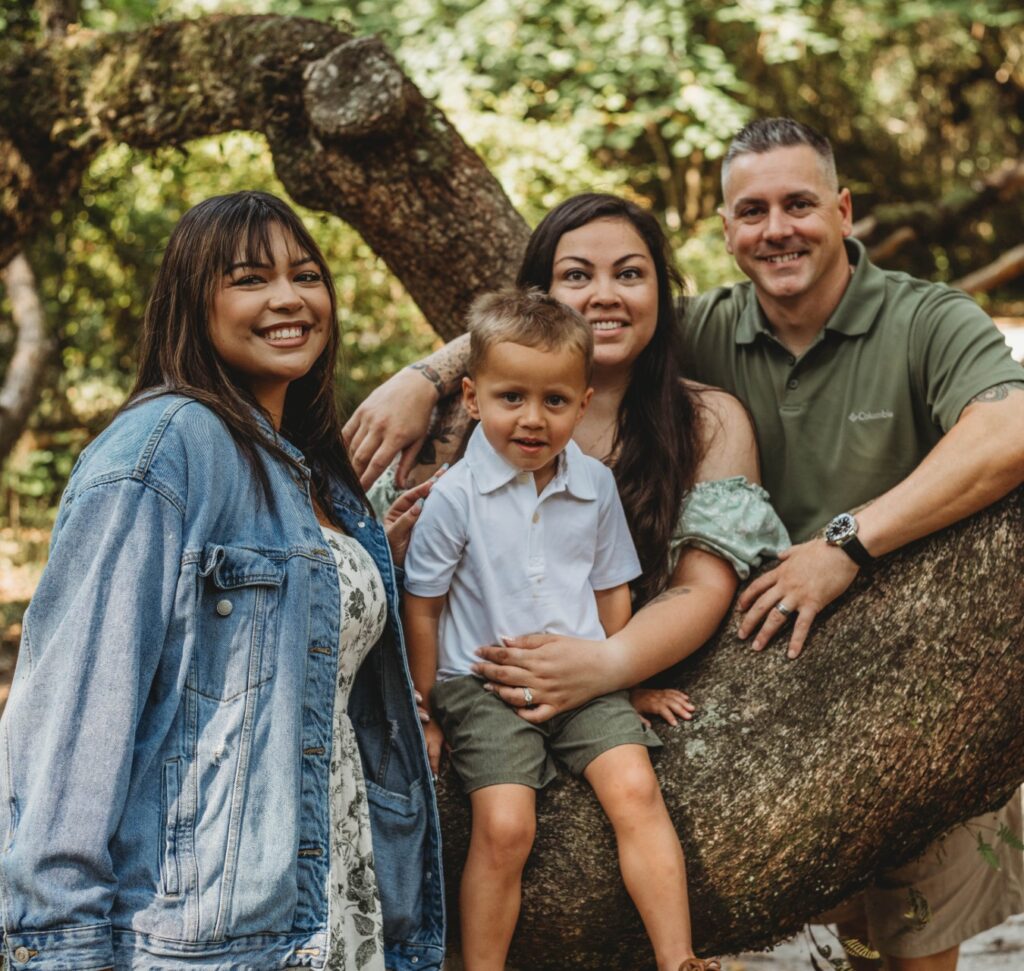
A military spouse finds a job as Nurse Practitioner before even arriving in North Carolina.

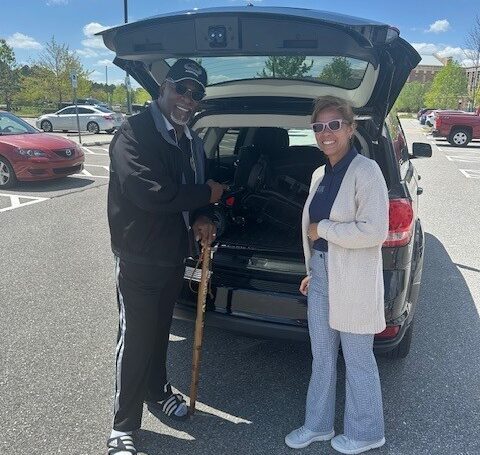
MR LARRY

A veteran struggling with medical issues and chronic pain receives a mobilized wheelchair, changing his life.

CONTACT US

One ask. Endless support.

Our team is here to offer support and connect you and your family to the resources you need. We’ll help you navigate the path to stability in your post-military life.